

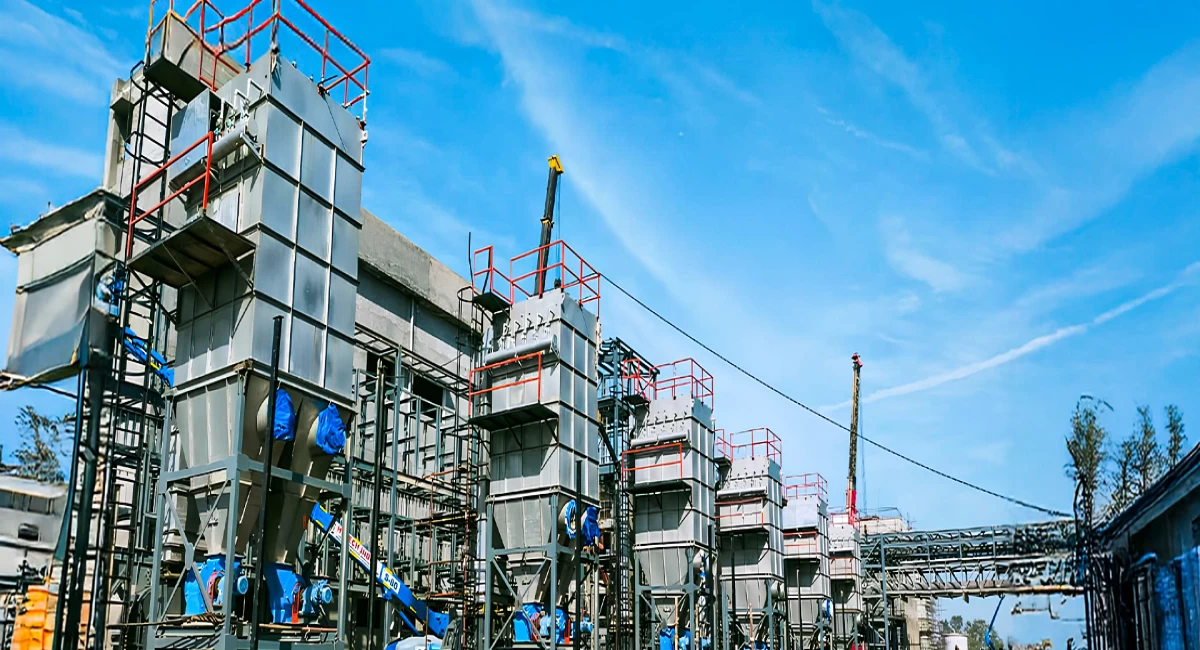
How Industrial Dust Collector Machines Support Clean Manufacturing?
Key Takeaways
- Industrial dust collector machines capture airborne dust during manufacturing processes.
- They improve air quality and help protect worker health.
- They reduce equipment damage caused by particle buildup.
- Cleaner environments help maintain consistent product quality.
- They reduce fire and explosion risks in factories.
- They help manufacturers meet environmental and safety regulations.
- Cleaner machines and floors support smoother production workflows.
- Dust control improves visibility and worker comfort.
- Many industries rely on dust collectors for safe operations.
- These systems support cleaner and more sustainable manufacturing practices.
Have you ever wondered how factories manage to keep their production areas clean even when cutting, grinding, polishing, or processing materials that create a lot of dust?
Many people ask questions like –
What is an industrial dust collector machine? How does it control dust inside a factory? Why do manufacturing companies install these systems? And does it really make a difference to worker safety and product quality?
These questions matter more than most people think. In many industries such as metal fabrication, woodworking, cement production, food processing, and pharmaceuticals, dust is produced every single day.
If that dust is not controlled properly, it can spread through the air, settle on equipment, contaminate products, and even affect worker health. This is where role of cyclone dust collector manufacturers becomes important.
Understanding how industrial dust collector machines support clean manufacturing can help business owners, plant managers, and even workers see why these systems are so widely used.
Why Industrial Dust Collector Machines Matter for Clean Manufacturing?
Manufacturing environments can produce a surprising amount of airborne dust. When this dust spreads inside the facility, it can affect workers, equipment, and even the final product.
For you as a factory owner or operations manager, this means fewer safety concerns and smoother daily operations. Clean air improves working conditions and keeps machines running more reliably.
Ways Industrial Dust Collector Machines Support Clean Manufacturing
Industrial Dust Collector Machines Improve Workplace Air Quality
Air quality inside a manufacturing plant directly affects worker comfort and safety. Processes like grinding metal, cutting wood, or mixing powders release fine particles into the air.
It pulls this contaminated air through filters that trap dust particles. Clean air then circulates back into the workspace.
They Help Protect Worker Health
Many industrial dust particles are not just messy. They can also be harmful when inhaled over time.
This protection helps companies create a healthier work environment for employees. Over time, this also helps reduce health related complaints and absenteeism.
Dust Collector Machines Reduce Equipment Damage
Dust may look harmless, but it can damage industrial equipment. Fine particles can enter motors, control panels, bearings, and other machine components.
It removes dust before it settles on equipment. Cleaner machines usually run more efficiently and require less maintenance.
They Support Product Quality
In many industries, product quality depends on a clean production environment.
It helps keep the production space cleaner. This reduces contamination risks and helps manufacturers maintain consistent product quality.
Dust Collection Systems Improve Factory Cleanliness
Dust spreads quickly inside manufacturing facilities. Once it settles on floors, walls, and equipment, it becomes difficult to manage.
This makes daily cleaning easier and keeps the factory looking more organized.
They Help Prevent Fire and Explosion Risks
Certain types of industrial dust are highly combustible. Materials like wood dust, aluminum powder, and flour dust can ignite if they build up in large quantities.
It helps reduce these risks by removing particles from the air before they accumulate.
Industrial Dust Collectors Support Environmental Compliance
Manufacturing companies must follow environmental and air quality regulations in many countries.
It helps capture particles before they escape into the atmosphere. This makes it easier for factories to meet environmental standards.
They Improve Overall Production Efficiency
A dusty production floor can slow down operations. Workers may need to stop machines to clean surfaces or remove accumulated debris.
It reduces the amount of cleaning required during daily operations. When equipment stays cleaner, machines can run longer without interruption.
Dust Collection Helps Maintain Worker Visibility and Comfort
Dust in the air does more than affect breathing. It can also reduce visibility in certain work areas.
It removes these airborne particles quickly. Clearer air improves visibility and helps workers perform tasks more accurately.
Industrial Dust Collector Machines Support Sustainable Manufacturing
Modern manufacturers are increasingly focused on sustainable production practices.
It helps companies reduce environmental impact by capturing airborne particles instead of releasing them into the atmosphere.
Last Words
Industrial dust collector machines and air-cooling system play a major role in maintaining clean and safe manufacturing environments. They help remove harmful dust particles from the air, protect workers, and keep equipment operating smoothly. Clean manufacturing is not just about appearance. It affects worker safety, product quality, machine reliability, and environmental responsibility.