
Top 10 Benefits Of Installing Industrial Bag Filter Systems In India
Have you noticed how industries in India are facing stricter pollution rules and growing pressure to maintain cleaner production environments?
From factories and cement plants to food processing units, businesses are now paying more attention to air quality than ever before.
This is where the best bag filter manufacturers in India enter in the scene.
But many factory owners and plant managers still ask practical questions
What exactly are industrial bag filter systems? How do they work? Are they really worth the cost? Can they improve worker safety and machine life? And most importantly, how do they help industries meet Indian pollution control standards?
The thing is, industrial dust and airborne particles create more problems than most businesses realize. Poor air filtration affects product quality, damages equipment, creates health risks, and can even lead to legal trouble due to pollution violations.
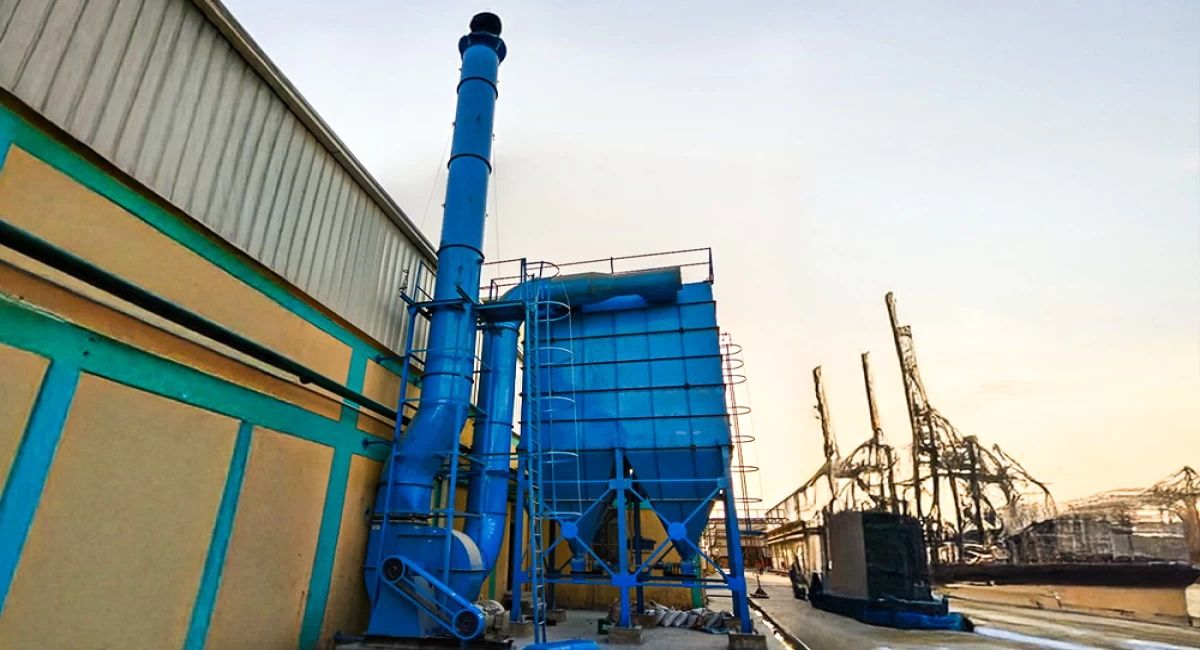
Industrial bag filter systems are designed to capture dust particles and clean polluted air before it spreads through the workplace or enters the environment.
These systems use fabric filter bags to trap dust while allowing clean air to pass through.
They are commonly used in industries like cement, pharmaceuticals, steel, chemicals, woodworking, textiles, and food manufacturing.
Top 10 Benefits of Installing Industrial Bag Filter Systems in India
Better Air Quality Inside the Factory
One of the biggest benefits of industrial bag filter systems is cleaner indoor air. Factories often generate fine dust particles during grinding, mixing, cutting, crushing, or packaging activities.
Without proper filtration, workers end up breathing polluted air throughout the day. Over time, this can create discomfort and health concerns.
Bag filter systems capture these particles before they spread across the workplace. Cleaner air creates a healthier and more comfortable environment for employees.
Helps Meet Pollution Control Regulations
Industries in India must follow environmental rules set by pollution control authorities. Many manufacturing units face regular inspections related to dust and air emissions.
They help reduce airborne pollution before it exits the factory. This makes it easier for businesses to stay within allowed emission limits.
Protects Workers From Dust Exposure
Industrial dust is not just dirty. In many industries, it can become dangerous when workers are exposed for long periods.
Cement dust, metal particles, wood dust, and chemical powder can affect breathing and overall workplace comfort.
They help remove these harmful particles directly from production areas. This reduces exposure levels and improves overall workplace safety.
Reduces Maintenance Costs
Dust doesn’t only affect people. It also damages machines and industrial equipment over time.
Fine particles settle inside motors, vents, bearings, and moving parts. This buildup increases wear and tear and may lead to overheating or equipment failure.
They reduce the amount of airborne dust circulating inside the facility. Cleaner surroundings help machines perform more efficiently with fewer breakdowns.
Improves Product Quality
In industries like food processing, pharmaceuticals, textiles, and electronics, airborne dust can directly affect product quality.
They help maintain cleaner production areas. This creates better conditions for manufacturing and packaging sensitive products.
Supports Energy Efficient Operations
Many people assume air filtration systems only add to electricity costs. But modern industrial bag filter systems are often designed for energy efficient operation.
When dust buildup reduces, machines and ventilation systems can operate more smoothly. Clean airflow improves overall system performance inside the plant.
Some advanced systems also include automatic cleaning mechanisms that reduce unnecessary power usage.
Reduces Fire and Explosion Risks
Certain types of industrial dust can become highly dangerous when allowed to accumulate. Dust from wood, chemicals, grain, coal, and metal processing may create fire or explosion hazards under the wrong conditions.
The risk increases when fine dust particles collect near heat sources or electrical equipment.
They help capture combustible dust before it spreads across the workplace. This reduces the chances of dangerous dust accumulation inside production areas.
Creates a Cleaner Work Environment
Let’s be practical. Nobody likes working in a dusty factory.
Heavy dust accumulation creates dirty floors, covered surfaces, poor visibility, and uncomfortable working conditions. Cleaning teams may spend extra hours removing dust from walls, machines, and storage areas.
They reduce the spread of dust throughout the facility. This helps maintain cleaner floors, cleaner storage areas, and better overall organization.
Increases Equipment Life
Industrial machinery is expensive. Replacing damaged equipment too frequently can seriously affect business expenses.
Dust particles slowly damage sensitive machine components. Filters clog faster, cooling systems work harder, and moving parts experience extra strain.
They help protect valuable equipment from unnecessary damage by controlling airborne particles.
Builds a Responsible Brand Image
Today, customers and business partners pay more attention to environmental responsibility. Industries that actively control pollution often create stronger trust with clients, investors, and regulatory authorities.
Installing these shows that your business takes workplace safety and environmental responsibility seriously.
Last Words
Industrial bag filter and pressurisation and ventilation system are no longer just optional equipment for large factories. They have become an important part of modern industrial operations across India. As industries continue to grow in India, cleaner production practices will become even more important.