
Top 10 Industries Need Air Pollution Control Device The Most
Have you noticed how air quality has become a bigger concern than ever before? Governments are introducing stricter environmental rules, communities are paying closer attention to industrial emissions, and businesses face growing pressure to reduce pollution.
This shift raises an important question: which industries need air pollution control devices the most, and why?
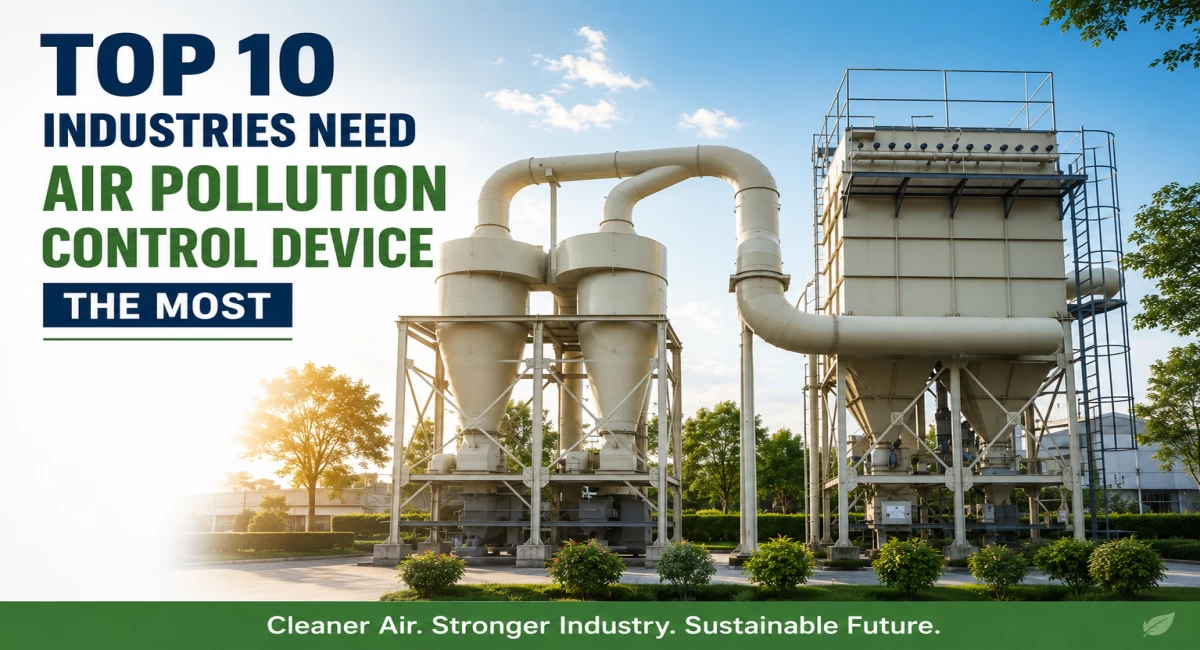
These devices by air pollution control device manufacturers are systems that remove harmful particles, gases, fumes, and pollutants from industrial exhaust streams before they enter the atmosphere. They use technologies such as dust collectors, scrubbers, electrostatic precipitators, and filtration systems to capture contaminants.
These devices matter because they help industries meet environmental standards, protect workers, reduce health risks, and support cleaner air.
Why Air Pollution Control Devices Matter in Everyday Life?
Even if you don't work in a factory, industrial air pollution can affect your daily life. The air you breathe, the water you use, and the overall quality of your environment often connect directly to industrial activities.
When industries control emissions effectively, communities experience better air quality and lower exposure to harmful pollutants. This can contribute to healthier living conditions for families, children, and older adults.
For businesses, air pollution control devices support compliance with environmental regulations and create safer workplaces.
For consumers, they help ensure that products are manufactured with greater environmental responsibility. Simply put, cleaner industrial operations benefit everyone.
Top 10 Industries That Need Air Pollution Control Devices the Most
Power Generation Industry Requires Advanced Air Pollution Control Devices
Power plants produce electricity on a massive scale. Many facilities burn coal, natural gas, biomass, or other fuels during power generation.
This process releases particulate matter, sulfur dioxide, nitrogen oxides, and other pollutants into the air. Without proper control systems, these emissions can significantly affect air quality.
These devices such as scrubbers, bag filters, and electrostatic precipitators help power plants reduce harmful emissions and comply with environmental standards. These systems play a critical role in cleaner energy production.
Cement Manufacturing Generates Large Volumes of Dust
Cement production involves crushing, grinding, heating, and material handling processes. Each stage can release substantial amounts of dust and particulate matter.
Dust collection systems and filtration equipment capture airborne particles before they leave the facility. This improves workplace safety and helps cement manufacturers maintain cleaner operations.
Steel and Metal Processing Facilities Produce Complex Emissions
Steel plants operate high-temperature furnaces and metal processing equipment. These activities generate dust, smoke, fumes, and various airborne contaminants.
Metal melting and refining processes can also release hazardous substances that require careful management.
These remove these pollutants from exhaust streams. This helps steel manufacturers reduce environmental impact while maintaining safer production environments.
Chemical Manufacturing Needs Strong Emission Control Systems
Chemical plants handle a wide range of substances that can release vapors, gases, and chemical emissions during production.
Scrubbers, adsorption systems, and specialized filtration technologies help chemical manufacturers control emissions effectively. These systems support environmental compliance and worker protection.
Pharmaceutical Industry Must Maintain Clean Air Standards
Pharmaceutical manufacturing requires strict environmental control throughout the production process.
They help maintain clean production areas while preventing particulate emissions from entering the surrounding environment. This supports product quality and environmental responsibility.
Mining Operations Produce Significant Dust Emissions
Mining activities involve drilling, blasting, crushing, transporting, and processing raw materials.
Dust suppression systems, industrial filters, and collection equipment help reduce particulate emissions. Cleaner air benefits workers, nearby communities, and local ecosystems.
Food Processing Industry Requires Air Quality Management
Many people don't immediately associate food manufacturing with air pollution, but several processes generate dust, smoke, and odors.
Grinding grains, handling powders, roasting products, and packaging ingredients can release airborne particles.
These helps maintain clean facilities, improve worker comfort, and reduce environmental impact. These systems also support food safety requirements in many production environments.
Waste Management and Recycling Facilities Need Emission Control
Waste processing centers handle a wide variety of materials that can generate dust, odors, gases, and volatile compounds.
Recycling operations often involve shredding, sorting, and processing materials that create airborne contaminants.
Filtration systems and odor control technologies help these facilities reduce emissions. This improves environmental performance and community relations.
Petrochemical and Oil Refining Industries Produce Air Pollutants
Oil refineries and petrochemical plants process large quantities of hydrocarbons every day.
These operations can release volatile organic compounds, sulfur compounds, and other emissions if facilities do not use proper control systems.
These capture and treat these pollutants before release. This supports regulatory compliance and helps protect surrounding communities.
Pulp and Paper Manufacturing Requires Pollution Control Equipment
Paper production involves chemical treatment, drying, pulping, and material handling processes.
These activities can generate dust, odors, and gaseous emissions that require management.
Air pollution control devices help capture pollutants and improve environmental performance. They also support cleaner operations throughout the production cycle.
Final Words
Such devices by bag filter manufacturers have become essential across many industries. As environmental regulations become stricter and public awareness grows, businesses must manage emissions more effectively than ever before. If you work in an industrial environment or simply want to understand how industries reduce their environmental impact, air pollution control devices are an important part of the solution. They help protect workers, communities, and the environment while supporting responsible industrial growth.