How Industrial Air Pollution Control Supports Green Manufacturing?
Have you noticed how more factories are now talking about clean production, lower emissions, and ecofriendly operations?
The big question is why this shift is happening so fast.
Industries today are under pressure from customers, governments, and global markets to reduce pollution and protect the environment.
What is industrial air pollution control?
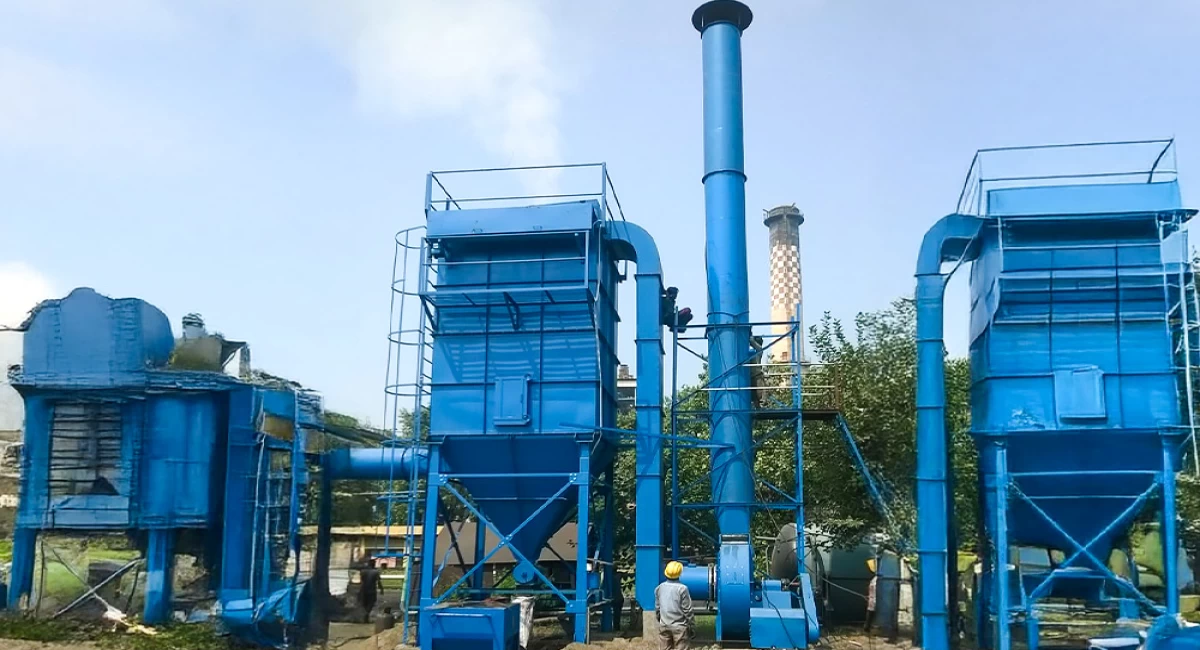
It refers to systems and methods that reduce harmful gases, smoke, dust, and chemical particles released during manufacturing. These systems clean the air before it leaves the factory.
Common solutions include dust collectors, scrubbers, filters, and industrial ventilation systems.
Why are industries focusing on green manufacturing now?
Green manufacturing is a production approach that reduces environmental harm while improving efficiency and resource use. The idea is simple. Factories should produce goods with less pollution, less waste, and lower energy use.
The connection between the two is very strong. Without proper industrial air pollution control, green manufacturing goals become difficult to achieve.
We are a leading air pollution control device manufacturer and here to explain you everything to make road easier -
Top Ways Industrial Air Pollution Control Supports Green Manufacturing
Reduces Harmful Air Emissions
Industrial air pollution control systems reduce harmful gases and particles released into the atmosphere. Factories often produce smoke, chemical fumes, dust, and toxic pollutants during manufacturing processes.
Equipment like scrubbers and filtration systems trap these pollutants before they spread outside. This helps industries lower their environmental impact and meet clean air standards.
Improves Workplace Air Quality
Factory workers spend long hours inside industrial spaces. Poor air quality can lead to breathing problems, eye irritation, fatigue, and long-term health concerns.
Industrial ventilation systems and dust collection units remove airborne contaminants from work areas. This creates a cleaner and safer environment for employees.
Supports Government Environmental Compliance
Industries must follow environmental regulations related to emissions and pollution control. Governments around the world are becoming stricter about industrial pollution standards.
Air pollution control systems help manufacturers stay within legal emission limits. Monitoring equipment also helps track pollutant levels and maintain records for inspections.
Helps Reduce Carbon Footprint
Green manufacturing focuses heavily on reducing carbon emissions. Industrial pollution control supports this goal by limiting harmful emissions and improving process efficiency.
Modern pollution control equipment often works alongside energy efficient manufacturing systems. This combination helps reduce overall environmental impact.
Encourages Better Waste Management
Air pollution and waste management are closely connected in manufacturing. Dust, fumes, and chemical particles often come from waste materials generated during production.
Industrial air pollution control systems help capture these pollutants before they spread into the environment. Some collected materials can even be recycled or reused safely.
Builds Consumer Trust in Green Brands
Consumers today pay more attention to how products are made. Many buyers prefer companies that care about sustainability and environmental responsibility.
Industries that use effective pollution control systems can show commitment to cleaner manufacturing practices. This improves public image and builds trust with customers.
Increases Energy Efficiency
Older industrial systems often waste large amounts of energy while releasing pollutants into the air. Modern pollution control technologies are designed to work more efficiently.
Energy efficient operations support green manufacturing because factories use fewer resources while maintaining production quality. Lower energy use can also reduce operating costs over time.
Protects Nearby Communities and Ecosystems
Industrial pollution does not stay inside factory walls. Harmful emissions can affect nearby homes, water sources, plants, and wildlife.
Air pollution control systems reduce the spread of toxic particles and gases into surrounding areas. This helps protect local communities from environmental and health risks.
Supports Sustainable Manufacturing Goals
Many companies now set sustainability goals related to emissions, energy use, and environmental responsibility. Industrial air pollution control plays a major role in reaching these targets.
Factories cannot claim to follow green manufacturing practices if they release large amounts of untreated pollution into the air. Pollution control systems help turn sustainability goals into practical actions.
Last Words
Industrial air pollution control is not just about reducing smoke or following rules. It plays a direct role in creating safer, cleaner, and more responsible manufacturing systems. As industries continue to grow, the demand for cyclone dust collector manufacturers and cleaner production will also increase. Companies that focus on effective air pollution control today are helping create a healthier future while improving their own manufacturing standards.